
By GearDeep Editorial · Updated
Amazon Affiliate Disclosure: As an Amazon Associate I earn from qualifying purchases. This comes at no extra cost to you. How affiliate links work.
The best scuba tanks are the cylinders your local fill station can service and your diving setup can support. Our first comparison point is the Catalina S80 aluminum cylinder, a conventional size that makes it easier to judge whether you need a shorter cylinder or a higher-capacity steel option. This guide compares six distinct cylinder configurations rather than treating a bigger capacity as automatically better.
The short answer
Quick Verdict
The Catalina S80 is our top starting point for a conventional recreational cylinder setup. Its familiar 7.25-inch diameter and aluminum construction make it a useful reference for fit, handling and gas planning. Confirm local fill acceptance, cylinder approvals and the supplied valve before buying.
- Catalina S63: compare this shorter aluminum configuration if the S80’s body length is the problem.
- Faber HP80 and Faber HP100: compare steel cylinders in the same nominal 7.25-inch diameter family.
- Faber HP117: the wider 8-inch option; check the harness and cylinder band before choosing it.
- Faber HP120: a higher-capacity, longer 7.25-inch cylinder that needs a careful torso-length and equipment check.
For our selection process, read How We Research.
On this page
Scuba Cylinder Comparison
Compare the features that affect your purchase, then check the selected listing for the current price, version and package contents.
| Model | Best For | Material / Capacity / Diameter | Main Purchase Check | Price / Where to Buy |
|---|---|---|---|---|
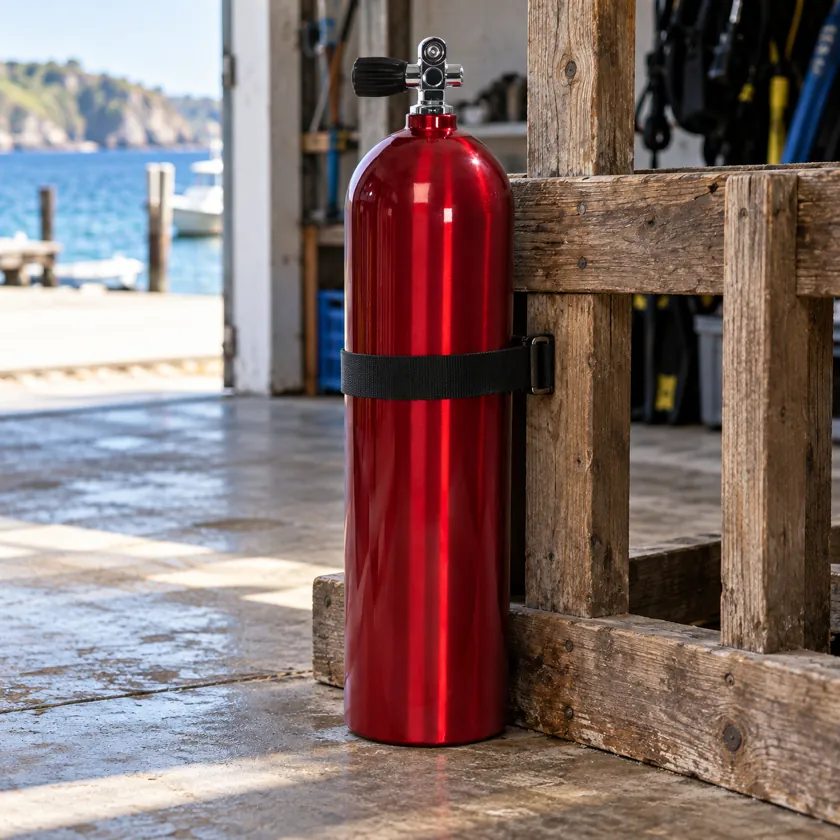 Catalina S80 Aluminum | Starting Point | Aluminum; ~77.4 cu ft; 7.25 in diameter | Approvals, inspections, valve and local fill acceptance | Check price on Amazon |
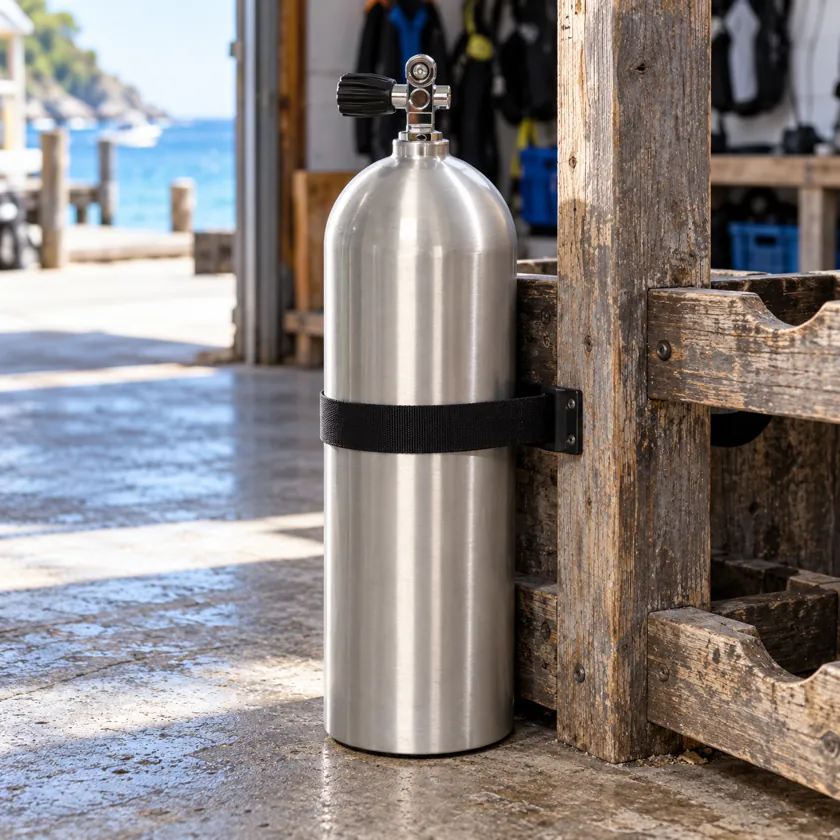 Catalina S63 Aluminum | Shorter Aluminum Option | Aluminum; ~63.1 cu ft; 7.25 in diameter | Exact S63, capacity needs and supplied valve | Check Amazon listings |
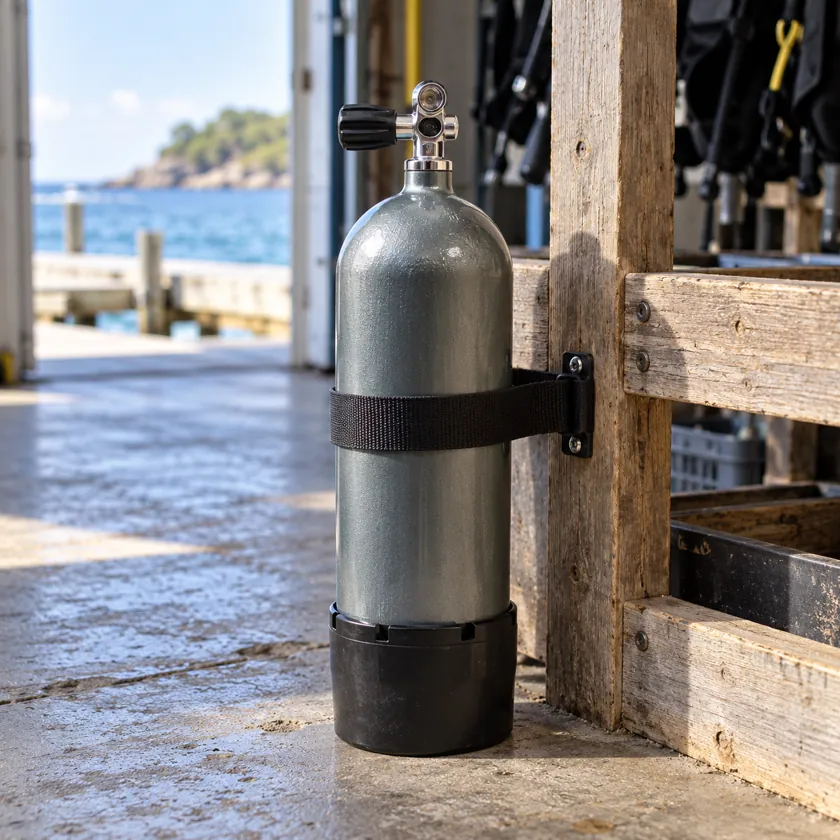 Faber HP80 Steel | Compact-Capacity Steel Comparison | Steel; ~81.7 cu ft; 7.25 in; 3,442 psi | Exact HP80, service pressure and compatible setup | Check price on Amazon |
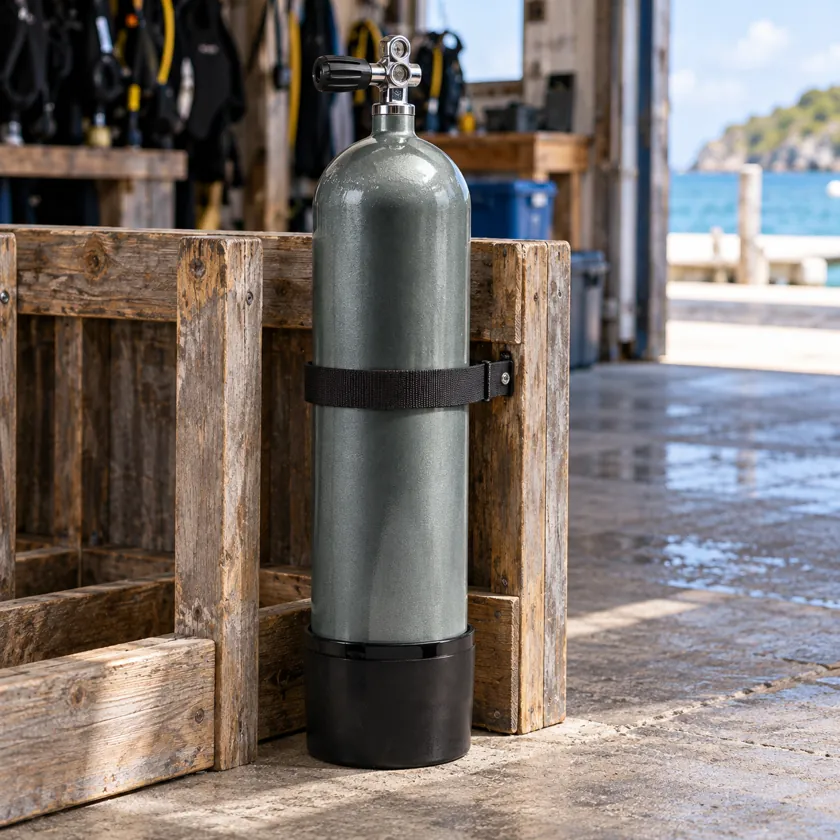 Faber HP100 Steel | Step Up in Capacity to Compare | Steel; ~101.3 cu ft; 7.25 in; 3,442 psi | Length, buoyancy setup and local filling support | Check price on Amazon |
 Faber HP117 Steel | Wider High-Capacity Option | Steel; ~117.8 cu ft; 8 in diameter | Wider-body fit, band range and exact cylinder record | Check price on Amazon |
 Faber HP120 Steel | Longer High-Capacity Option | Steel; ~120.1 cu ft; 7.25 in diameter | Long-body clearance, valve and filling support | Check price on Amazon |
Entries labeled “Check Amazon listings” open a search for that exact model; confirm a matching product and selected configuration before ordering.
1. Catalina S80 Aluminum — Best Overall Starting Point
The Catalina S80 is our reference choice for a conventional recreational cylinder. Use it to establish whether your actual need is a different body length, gas capacity or material before moving to a less familiar configuration.
Key Features
- Aluminum cylinder construction
- Nominal S80 designation
- Approximately 77.4 cu ft published gas capacity
- 11.1 L published water capacity
- Nominal 7.25-inch diameter
- Common 3,000 psi service-pressure configuration; verify the supplied cylinder
Why It’s Our #1 Pick
The S80 leads this guide because it provides a sensible reference point for a conventional recreational setup. The published Catalina configuration combines an aluminum cylinder, a 7.25-inch diameter and about 77.4 cubic feet of gas at its specified service pressure. Starting with a familiar format makes the trade-offs of shorter, wider or longer cylinders easier to understand.
It also keeps the comparison focused on the problem you need to solve. If body length is awkward, the shorter S63 deserves attention. If a properly planned setup calls for a different capacity and buoyancy profile, compare the steel options with professional guidance. Buying the largest number in the table would skip those more useful questions.
The S80 is our starting recommendation, not a universal answer for every diver or location. The actual cylinder must have acceptable approvals, current required inspections and a compatible valve, and the local fill station must agree to fill it. Confirm the BCD, harness and overall weighting arrangement before committing to a purchase.
What to Consider
Ask the seller which cylinder body approval, manufacture date and valve package will be supplied. Then ask your intended fill station whether it accepts that exact configuration with the required records. A purchase that looks familiar online can still become impractical if a local facility will not service it. Resolve any acceptance issue with the facility before buying.
Pros
- Useful reference size for a recreational setup
- Published dimensions make alternatives easier to compare
- Conventional diameter for checking harness compatibility
Cons
- Nominal 80 name is not the exact gas capacity
- Body length will not suit every diver
- Valve, inspection and local filling acceptance need confirmation
Who Should Buy It?
Start here when a conventional aluminum configuration suits your diving and the local fill station accepts the exact cylinder. Use the other entries to solve a specific fit or capacity requirement.
2. Catalina S63 Aluminum — Best Shorter Aluminum Option
The S63 is the aluminum option to compare when the S80’s length is inconvenient. Its shorter body comes with less gas capacity, so the fit advantage and the planned gas requirements need to be considered together.
Key Features
- Aluminum cylinder
- Nominal S63 size
- Approximately 63.1 cu ft published gas capacity
- 9 L published water capacity
- Nominal 7.25-inch diameter
- Shorter body than the S80
Why It Makes the Shortlist
The reason to investigate this model is its body geometry, not an assumption that a smaller cylinder is automatically easier or suitable for a particular person. A shorter body can sit differently relative to the harness and head, but the lower gas capacity must fit a professionally developed plan and the diving actually undertaken. Body size, consumption and reserve requirements cannot be reduced to one tank recommendation for all smaller divers.
What to Consider
Compare the S63 and S80 as complete rigs with appropriate professional help. Keep valve position, harness fit and equipment access in the discussion, alongside gas planning. Do not choose the smaller one merely because it feels lighter on the shop floor. Conversely, a larger cylinder that creates poor fit is not automatically the right answer to every capacity concern.
Pros
- Shorter cylinder body to evaluate
- Same nominal diameter as the S80
- A distinct configuration rather than a cosmetic variation
Cons
- Less capacity than the S80
- Shorter length alone does not establish a suitable setup
- Exact offers and valve packages need checking
Who Should Buy It?
Compare the S63 when cylinder length is the issue and its capacity fits the dive plan. Have the complete harness fit and gas requirements assessed before choosing it.
3. Faber HP80 Steel — Best Compact-Capacity Steel Comparison
The Faber HP80 provides a steel comparison near the nominal capacity of an aluminum S80. It is a different pressure and buoyancy configuration, so it should be evaluated as a complete equipment change.
Key Features
- High-pressure steel cylinder
- 3,442 psi service-pressure configuration
- Approximately 81.7 cu ft published gas capacity
- Nominal 7.25-inch diameter
- Model-specific dimensions and valve package
- Exact approval and inspection markings must be checked
Why It Makes the Shortlist
The HP80 belongs in the comparison for a diver investigating a smaller member of that steel series. It is not the same object as an aluminum cylinder whose model name also contains 80. Material, pressure and buoyancy characteristics need assessment as part of the complete rig. A similar nominal gas-capacity label does not establish equal length, empty weight or behavior in water.
What to Consider
Ask the supplier to identify the exact series, valve and approval supplied under the HP80 label. Faber manufactures many cylinders for different markets, so a general statement that the body is made by Faber does not establish the complete commercial specification. Keep the specific model and package paperwork with the equipment record.
Pros
- Steel option near the S80 capacity class
- Nominal diameter shared with several other entries
- Published capacity and pressure support a precise comparison
Cons
- Requires suitable high-pressure filling support
- Changes the buoyancy and weighting assessment
- HP80 name alone does not identify every package detail
Who Should Buy It?
Consider the HP80 if a professionally assessed setup calls for steel in this capacity range. Confirm local filling support and the exact cylinder record first.
4. Faber HP100 Steel — Best Step Up in Capacity to Compare
The HP100 is worth comparing when a properly planned dive setup needs more capacity than the S80 or HP80 class. Retaining a nominal 7.25-inch diameter does not make its length, mass or buoyancy interchangeable with those cylinders.
Key Features
- High-pressure steel construction
- 3,442 psi service-pressure configuration
- Approximately 101.3 cu ft published gas capacity
- Nominal 7.25-inch diameter
- Different body dimensions from the HP80
- Package-specific valve and approval details
Why It Makes the Shortlist
The useful comparison is with the HP80 and the wider HP117. A buyer may want more listed capacity while retaining the narrower diameter, but length and mass still need checking in the complete harness. More gas is useful only when the overall plan, exposure protection and carrying arrangement support the choice. It is not permission to remain underwater beyond training or planning limits.
What to Consider
Try the complete rig before committing if the cylinder changes your familiar setup substantially. A shop can help check band placement and valve access under the equipment makers’ instructions. Do not use a shopping comparison to decide an improvised valve, manifold or harness conversion. Those compatibility decisions require the correct documentation and qualified assessment.
Pros
- More capacity than the HP80 configuration
- Conventional nominal diameter to assess
- Clear intermediate size within the steel shortlist
Cons
- Complete weighting and lift requirements must be reassessed
- Longer or heavier handling can affect convenience
- Local high-pressure fills cannot be assumed
Who Should Buy It?
Compare the HP100 when the gas plan calls for this capacity and the cylinder fits your harness and body. Treat the purchase as a setup decision, not a simple replacement by name.
5. Faber HP117 Steel — Best Wider High-Capacity Option
The HP117 is the wider cylinder in this shortlist. It is useful to compare with the HP120 when a suitable high-capacity setup is needed and you want to understand how diameter changes the fit.
Key Features
- High-pressure steel cylinder
- Approximately 117.8 cu ft published gas capacity
- Nominal 8-inch diameter
- Wider body than the 7.25-inch options
- Model-specific harness and band compatibility
- Exact cylinder approval and service-pressure record required
Why It Makes the Shortlist
The reason to investigate the HP117 is whether its body proportions suit the diver’s actual equipment arrangement. A wider cylinder changes band and back-support considerations. It may feel different when carrying the rig, entering a boat rack or fitting into a vehicle support. Those practical questions deserve attention before using the higher capacity number to justify the purchase.
What to Consider
Ask to compare the HP117 and HP120 with the same type of harness where an appropriate shop demonstration allows it. Record which shape causes an actual clearance or handling issue. A subjective preference from another diver is a reason to try the model, not proof that the shape will solve your problem. The complete rig and plan remain the deciding factors.
Pros
- High-capacity configuration
- Different proportions from the longer HP120
- Makes the width-versus-length trade-off explicit
Cons
- Wider body needs a cylinder-band check
- Handling and buoyancy need a complete assessment
- Not interchangeable with the HP120 despite similar capacity
Who Should Buy It?
Compare the HP117 when its wider proportions work better for the assessed setup than a longer cylinder. Confirm cylinder-band range, harness fit and local service support.
6. Faber HP120 Steel — Best Longer High-Capacity Option
The HP120 keeps a nominal 7.25-inch diameter while using a longer body to provide its capacity. That makes torso length, valve position and clearance especially useful checks before purchase.
Key Features
- High-pressure steel cylinder
- Approximately 120.1 cu ft published gas capacity
- Nominal 7.25-inch diameter
- Longer-body alternative to the HP117
- Model-specific mass and buoyancy characteristics
- Exact valve package and approval details required
Why It Makes the Shortlist
This model is worth comparing when additional capacity is a real requirement and the longer body suits the equipment. The shape can affect band location, valve position relative to the head and the way the cylinder sits while carrying the rig. A long cylinder is not automatically unsuitable, but it should not be selected without that assessment merely because its diameter matches a familiar unit.
What to Consider
Discuss the intended use with the supplier and training provider. If the real requirement is another cylinder configuration, investigate that whole system instead of trying to make one large single cylinder solve every problem. The correct purchase is a compatible pressure-vessel arrangement that supports the plan, not the largest capacity that fits the budget.
Pros
- High capacity in a nominal 7.25-inch diameter
- Distinct alternative to the wider HP117
- Published body dimensions support a practical fitting check
Cons
- Long body can be awkward for some divers
- Capacity does not establish suitable lift or weighting
- Filling and inspection support must be confirmed
Who Should Buy It?
Consider the HP120 only when its longer shape and capacity fit the assessed diving configuration. Compare it with the HP117 on physical fit rather than treating their rounded capacity names as equivalent.
How to Choose a Scuba Cylinder
Start with local filling and inspection support, then work through gas requirements, cylinder dimensions, valve compatibility and the complete buoyancy setup with a qualified dive professional. A nominal size is a product name, not a complete description of capacity or fit.
Choose a supported cylinder before choosing capacity
Start with the filling facility’s acceptance of the actual cylinder and valve package. If that requirement cannot be met, a capacity comparison is premature. Within the listed aluminum choices, compare S63 with S80 when body length and carried gas create a real fitting decision. Do not assume that a smaller cylinder provides enough gas for the intended plan, or that the familiar eighty label identifies the exact published capacity. Have the plan and complete rig assessed through the appropriate training and professional support.
Within the supplied Faber steel series, HP80 and HP100 offer a capacity comparison around the narrower body format. HP117 and HP120 make a more specific wider-versus-longer shape comparison. Assess band range, valve position, handling and local filling support alongside those differences. None is a universal upgrade from a familiar cylinder. Where current package mass or buoyancy conditions are unclear, obtain like-for-like supplier information rather than calculate a lead-saving claim from mixed tables. Valve compatibility and accepted markings must follow the actual vessel, not another seller’s similarly named model.
Why water volume and gas capacity are different
Water volume describes the internal physical volume of the cylinder. A gas-capacity figure describes an amount of gas under specified pressure and reference conditions. The labels are related but not interchangeable. An 11.1-liter water-volume cylinder is not described correctly as containing only 11.1 liters of usable surface-equivalent breathing gas when filled.
Nominal names also can round or simplify the listed capacity. Catalina explicitly identifies the S80’s actual gas capacity separately. Avoid mixing nominal capacity from one product with true capacity from another and declaring a precise percentage advantage. Our tank sizes and capacity guide explains the terminology; an instructor or qualified professional helps apply it to a real gas plan.
Service pressure is a limit and identification detail
Use the markings and applicable manufacturer documentation for the exact cylinder. Test pressure, burst-related claims and service pressure describe different things. A hydrostatic-test number is not an everyday filling target, and a cylinder’s name does not authorize overfilling. Filling belongs with a qualified facility using suitable equipment and procedures.
Ask your local facility what pressures and cylinder types it supports before ordering. A high-pressure cylinder does not guarantee that every destination can conveniently provide the intended fill. Conversely, the fill received must be considered in planning; the nominal model capacity is not proof of the actual gas amount delivered.
Keep valve inlet and regulator outlet separate
The connection between cylinder and valve is different from the connection between valve and regulator. DIN and yoke describe the regulator-side arrangement, while neck threads and sealing details must match the cylinder and valve precisely. A regulator that fits the valve outlet does not establish that the valve itself is appropriate for the cylinder.
Have those connections identified and assembled by appropriately qualified people under the relevant documentation. Do not use an adapter or a thread that appears close as evidence of compatibility. Our DIN versus yoke guide covers the regulator connection; it does not authorize cylinder-valve substitutions. A complete purchase record should identify both the vessel and the installed valve.
Regional approval is part of product identity
A cylinder available in one market may carry a different approval from a similarly named cylinder elsewhere. Ask the intended filling and testing facilities whether the actual markings are accepted in the jurisdiction where you will use it. An international marketplace listing does not establish that acceptance. The same manufacturer name is not enough to collapse regional products into one recommendation.
Luxfer’s current L6X SCUBA page illustrates the issue: the table reviewed is labeled for the European range and explicitly excludes availability in the Americas. Its S80 part numbers include different neck-thread entries. Those records are useful manufacturer evidence for their own regional products, but they cannot verify a US S80 offer or supply US-market specifications by assumption.
Aluminum and steel require model-level comparisons
Material is useful context, but do not assume that every steel cylinder is lighter on land, every aluminum cylinder has identical buoyancy or a change of material always removes a fixed amount of lead. Body dimensions, wall construction, gas state, valve and accessories affect the complete result. Compare actual models under the same stated conditions.
Our shortlist includes both materials because they create real equipment choices. The appropriate arrangement depends on the diver, exposure equipment and configuration, with weighting and buoyancy checks conducted through training. A manufacturer’s description of favorable buoyancy is not a promise of improved trim for every diver. Do not copy a weighting number from another person’s rig into your own plan.
Buoyancy figures need their conditions
Published full, partly filled and empty buoyancy values can help explain how a cylinder changes during use. They must retain their conditions, including water type and whether the valve is included. A bare-body dry weight and a seawater buoyancy figure with valve are different quantities. Combining them into one unsourced best-buoyancy score would be misleading.
Check any important figure with the supplier where the source tables conflict. The Faber supplied-series sheet’s imperial and metric mass discrepancies are a concrete reason for caution. For an exact handling mass, request the current specification for the supplied cylinder and valve package or an appropriate measurement by the facility.
Fit the cylinder to the harness
Diameter, length and body shape affect how the cylinder fits the BCD or harness. Check the approved band range, back support, valve placement and any required accessories. A band that can be forced closed is not proof of a supported configuration. Have an appropriate professional assess a significant change from the cylinder you normally use.
Consider handling at the actual site too. Boat racks, vehicle supports and carrying routes can accommodate one shape more conveniently than another. The solution is secure support appropriate to the cylinder, not allowing a pressure vessel to roll loose because it is an awkward fit. A purchase should include a workable transport and storage arrangement, not merely a matching BCD band.
Inspection records and present condition are separate
Obtain the manufacture and test information required for the actual cylinder and jurisdiction, together with the relevant inspection records. A recent date does not prove that no impact, heat exposure or contamination has occurred since inspection. Disclose known concerns to the qualified inspection or filling facility rather than hiding them to obtain a fill.
DAN’s cylinder inspection and testing discussion explains why proper assessment matters. Our visual inspection versus hydrostatic testing guide separates the concepts without prescribing one international schedule. Do not interpret a generic annual or five-year statement online as the complete rule for every cylinder and country.
Buying used needs a different evidence record
A used cylinder requires exact identification, inspection history and professional condition assessment, in addition to ordinary model research. Do not buy only from a photograph of a shiny finish or a seller’s assurance that it holds pressure. A coating can conceal relevant condition, and present pressure is not proof that the vessel or valve is suitable for continued use.
Older Luxfer alloy history is another reason to identify the actual body and manufacture date. The manufacturer’s alloy-change bulletin addresses specific historical transitions. Color alone cannot identify the alloy or its inspection requirements. A qualified inspector must apply the relevant requirements to the actual vessel.
Gas suitability and cleanliness require confirmation
A seller’s phrase nitrox ready needs the exact package conditions and the intended filling method understood by the qualified facility. Cylinder, valve, seals, cleaning status and handling history all matter. Do not infer oxygen compatibility from an attractive label, a familiar valve body or a claim made for another version of the same cylinder.
Ask the supplier and fill station to establish the suitability of the complete arrangement for your intended use under their procedures and the manufacturers’ instructions. Have the exact gas-service requirements confirmed for the cylinder, valve and complete assembly. A general oxygen-compatible label does not resolve those details.
Transport, delivery and first fill
Confirm delivery restrictions, whether the cylinder ships empty and how the valve and paperwork will be supplied. A cylinder-only listing may require professional valve installation and inspection before filling. A package described as ready for use still needs local acceptance and the correct contents; the phrase is not a substitute for the receiving facility’s checks.
Arrange the first fill before a trip deadline so any documentation issue can be resolved. For travel, check the carrier’s current rules and the service requirements at the destination. Do not remove valves or vent pressure casually to satisfy an internet packing tip. Use a qualified supplier and the applicable transport guidance for the actual situation.
Storage and ongoing ownership cost
Secure cylinders against falling or rolling, protect them from damaging conditions and follow manufacturer and filling-facility storage guidance. Do not choose a universal storage pressure from a shopping article. Valve work, internal inspection and treatment of corrosion belong with appropriately qualified people. Keep identification and inspection records accessible without posting private serial details publicly.
Budget for the valve package, approved supports or boots where required, professional inspection, testing and service. A low body price may not represent the cost of a usable complete cylinder. Ask which parts are included and which tasks must be completed locally. Rental may remain practical where local fills, storage or travel make ownership inconvenient; ownership is not automatically the cheaper option for every diver.
Purchase questions to resolve before ordering
Identify the manufacturer, supplied series, body approval, manufacture date, service pressure and neck-thread specification. Identify the exact installed valve and regulator-side outlet separately. Confirm whether dimensions and weight include the valve and boot, and whether buoyancy figures use fresh or salt water. Ask the receiving fill facility to confirm acceptance before paying for a difficult-to-return pressure vessel.
Then compare complete configurations that meet the actual requirement. S63 and S80 create a shorter-versus-larger aluminum comparison. HP80 and HP100 compare capacity within the narrower supplied steel series. HP117 and HP120 create a useful wider-versus-longer shape comparison. These are fitting and planning starting points, a comparison or a claim that any cylinder extends a dive safely on its own.
Ask the fill station before the retailer
A local filling facility can tell you which exact markings, valve arrangements and records it needs to accept a cylinder. Establish that before choosing between near-identical marketplace listings. Provide the public model and approval details rather than a vague description such as aluminum eighty. If the supplier cannot establish what will be delivered, the facility cannot reliably assess it from an unrelated catalog photograph.
Also discuss your expected filling pattern. Someone who dives locally every week may have different ownership logistics from someone who travels occasionally and usually rents equipment abroad. Ask how inspection, testing and valve service are arranged and whether there are transport constraints in reaching the facility. Those practical details can outweigh a small difference in the body price and can prevent owning a cylinder that is inconvenient to keep in service.
The facility’s acceptance decision should remain independent. Do not ask a retailer’s assurance to substitute for the receiving professional’s inspection, and do not obscure a marking or condition concern to obtain a fill. A clear purchase record makes the process easier for everyone: the buyer knows what was ordered, the supplier identifies what was shipped and the facility assesses the actual vessel and valve.
Receive the package with time to resolve discrepancies
When the cylinder arrives, compare the visible model and package information with the order without attempting valve work or internal inspection. Keep the delivery paperwork and note any obvious shipping damage for the supplier and qualified receiving facility. A wrong valve, missing record or uncertain model identity should be resolved before the equipment enters service. Do not assume that the first fill is merely a way to test whether an uncertain package works.
Ask the supplier how a discrepancy is handled while the equipment is unused. Pressure vessels can have particular shipping and return requirements, so obtain the actual instructions rather than arranging an ordinary parcel return by guesswork. If a replacement is supplied, establish the new unit’s own identity and dates. The documentation from one cylinder should not casually be attached to another because the paint and capacity label look the same.
Capacity comparisons need the same reference point
When comparing two candidates, start with the listed capacity at the stated service conditions and then consider the actual fill available. A larger nominal cylinder with a lower received pressure is not automatically carrying the amount implied by its name. A qualified instructor can help apply the actual starting pressure, cylinder information and appropriate reserves to the dive plan.
Keep the comparison’s other conditions consistent too. A stated cylinder-only weight cannot be compared fairly with another model’s valve-and-boot package mass. A saltwater buoyancy value is not directly equivalent to a freshwater result. Ask the supplier to supply a like-for-like specification where the difference matters. Where those conditions cannot be established, report the uncertainty instead of calculating an impressive but unsupported advantage.
Frequently Asked Questions
Is an aluminum 80 cylinder exactly 80 cubic feet?
Not necessarily. The Catalina S80’s published gas capacity is about 77.4 cubic feet at its specified service pressure. Use the manufacturer’s actual capacity and pressure for the exact cylinder rather than assuming the rounded model name is an exact measurement.
Should I choose an aluminum or steel scuba tank?
Compare the complete configuration: dimensions, mass, buoyancy characteristics, gas requirements and local service support. Steel and aluminum cylinders can affect weighting differently. Have the resulting setup assessed rather than choosing a material because it is described as lighter, more advanced or better for every diver.
Will any scuba cylinder fit my BCD?
No. Cylinder diameter, body length, valve position and the attachment system all matter. For example, the HP117’s nominal 8-inch diameter differs from the 7.25-inch options here. Check the BCD and cylinder-band specifications and have the actual assembly assessed.
Does a cylinder listing include a valve?
Package contents vary. Confirm whether a valve is included, which valve it is, and whether the cylinder inlet connection and regulator outlet configuration are appropriate. A DIN or yoke description at the regulator connection does not by itself establish that a valve fits the cylinder.
Can a higher-pressure cylinder be filled anywhere?
Do not assume so. The fill station must accept the exact cylinder, its approval markings, inspection status and service pressure. Ask before purchasing, especially when buying across regions. Never use a model name or gauge scale as permission to exceed the cylinder’s specified service pressure.
Is a larger scuba tank always a better choice?
No. Extra capacity also changes the cylinder’s size, handling and the overall equipment and gas-planning decisions. Choose capacity for the planned dives with qualified guidance, then check fit and buoyancy. A wider or longer cylinder that does not suit the harness or diver is a poor upgrade.
Our recommendation
Final Verdict
Start with the Catalina S80 as your reference cylinder, then change size for a specific reason. The S63 addresses a shorter-body requirement; the Faber HP80 and HP100 offer steel alternatives with a nominal 7.25-inch diameter.
,Compare the HP117’s wider body against the HP120’s longer body if the complete dive plan calls for those capacities. Before ordering any cylinder, confirm local fill support, approvals, inspection status, valve package and equipment compatibility. Those checks matter more than a nominal capacity label.
Specifications and Manuals
For model details, see Catalina S80 Aluminum specifications, Catalina S63 Aluminum specifications, Faber HP80 Steel specifications.
About the author
Robert
Robert bohat acha bacha hay