
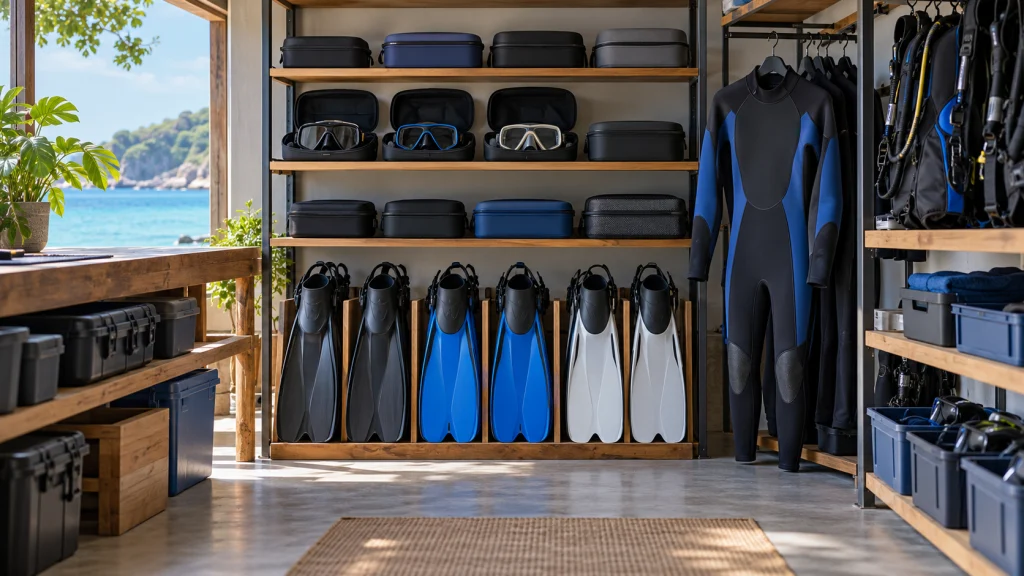
Scuba Gear Storage Between Dive Trips
Knowing how to store scuba gear between dive trips helps prevent avoidable damage from trapped moisture, sunlight, heavy objects and neglect of service schedules.
Practical scuba diving equipment explainers covering fit, maintenance, compatibility, safety considerations and gear terminology. These guides supplement, not replace, qualified instruction.
Knowing how to store scuba gear between dive trips helps prevent avoidable damage from trapped moisture, sunlight, heavy objects and neglect of service schedules.
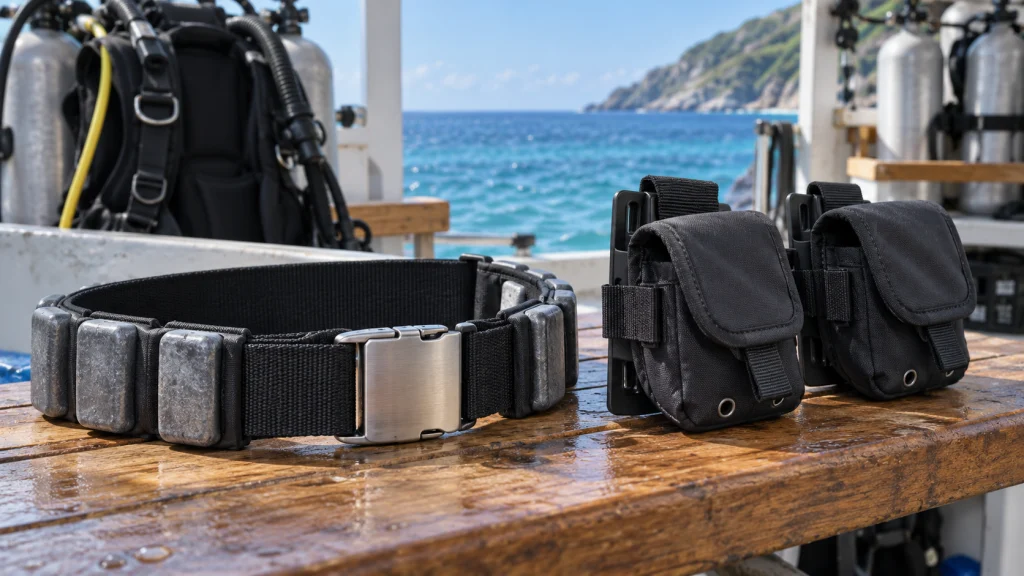
Compare ballast retention, pocket compatibility, belt fit, release access, buddy checks and equipment handling.

Distinguish analyzed gas, oxygen fraction, active mode, oxygen limits and displayed information when reviewing nitrox computer settings.
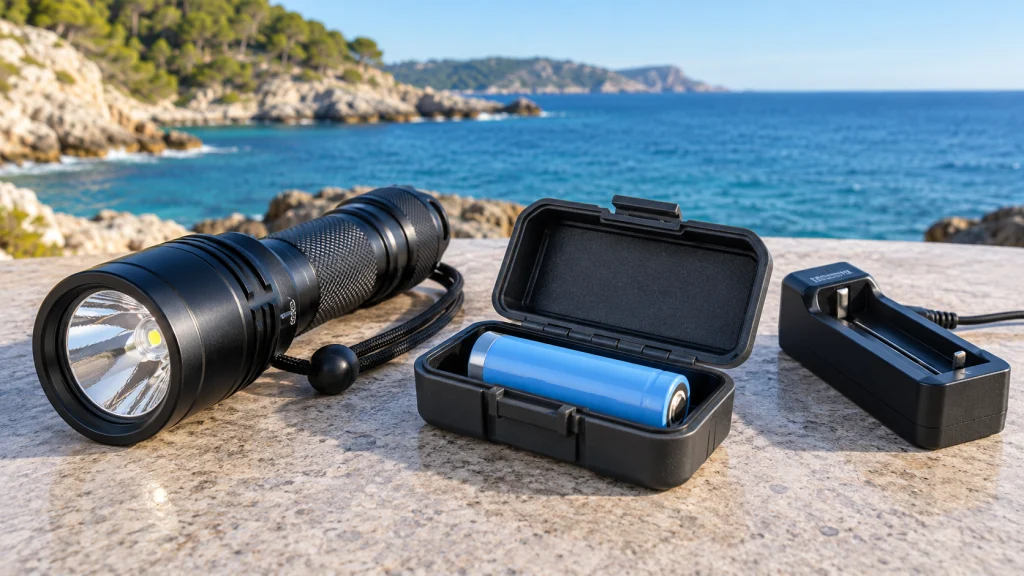
Check approved batteries, charging methods, seals, runtime claims, backup power and transport arrangements for dive lights.
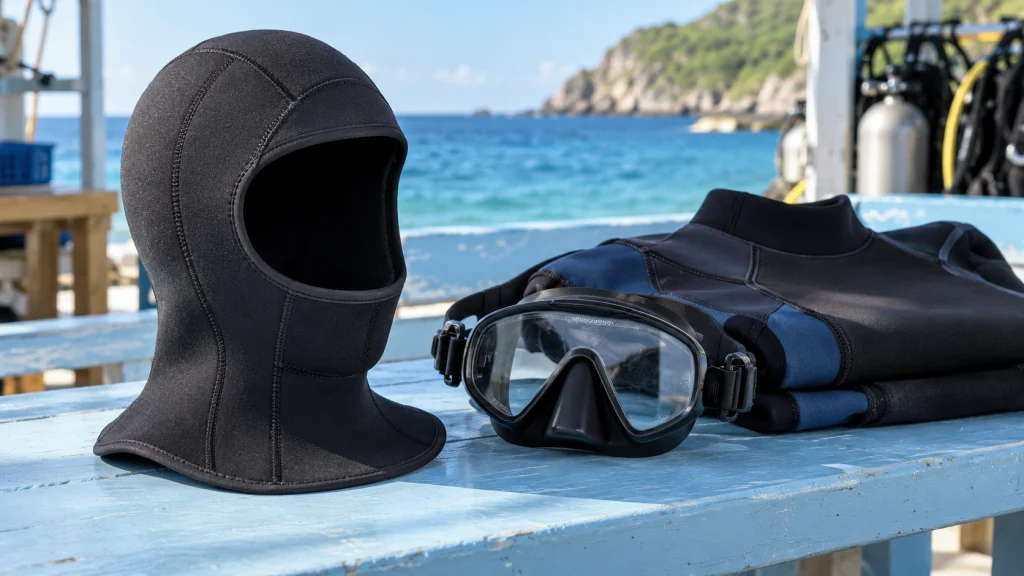
Choose a hood with attention to exposure protection, head fit, neck comfort, mask interaction, movement and care.
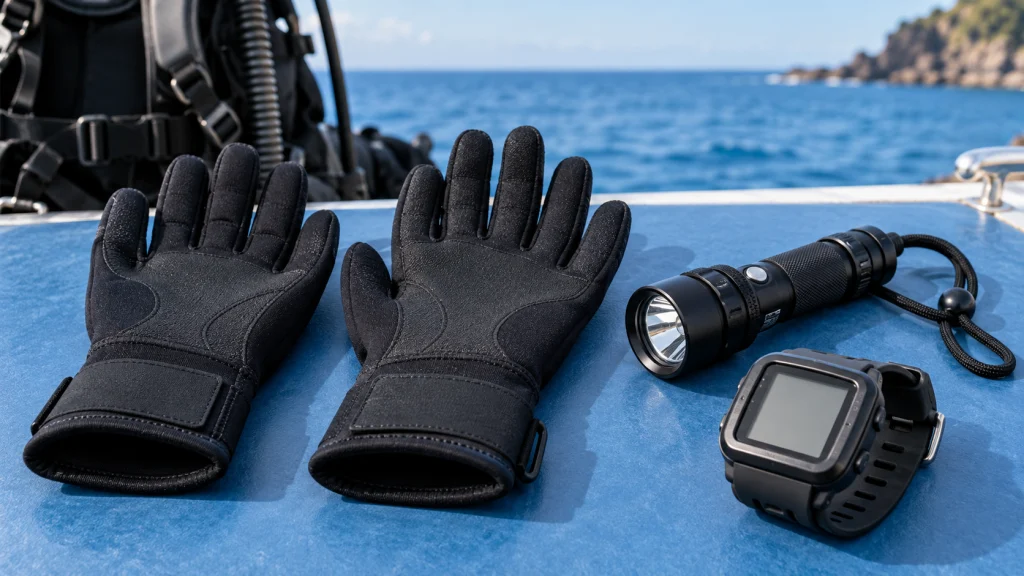
Assess dive gloves by hand measurements, finger fit, cuff overlap, protection and the ability to handle your actual equipment.
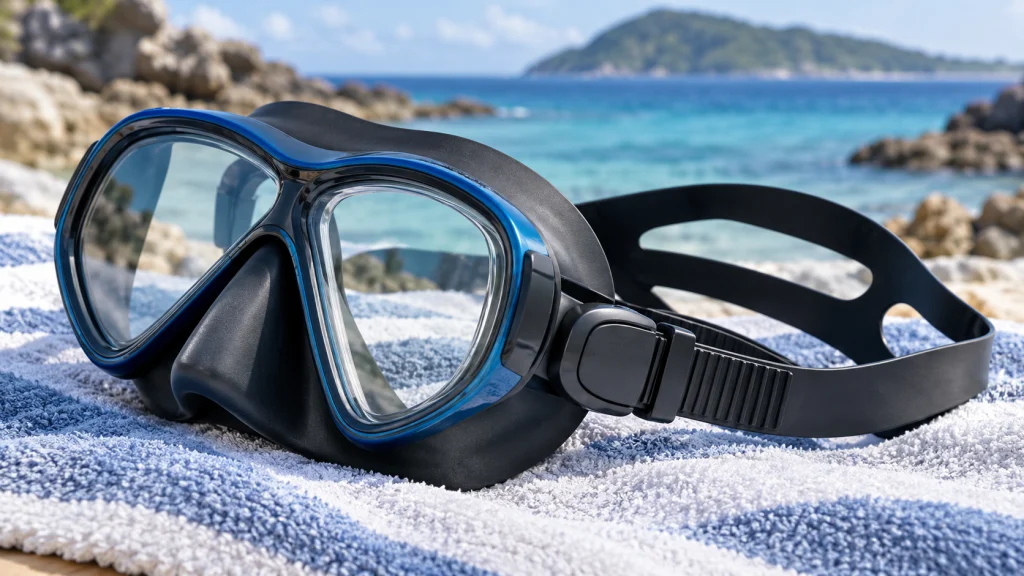
Troubleshoot mask leaks through skirt contact, strap position, hood overlap, mouthpiece fit and inspection for damage.
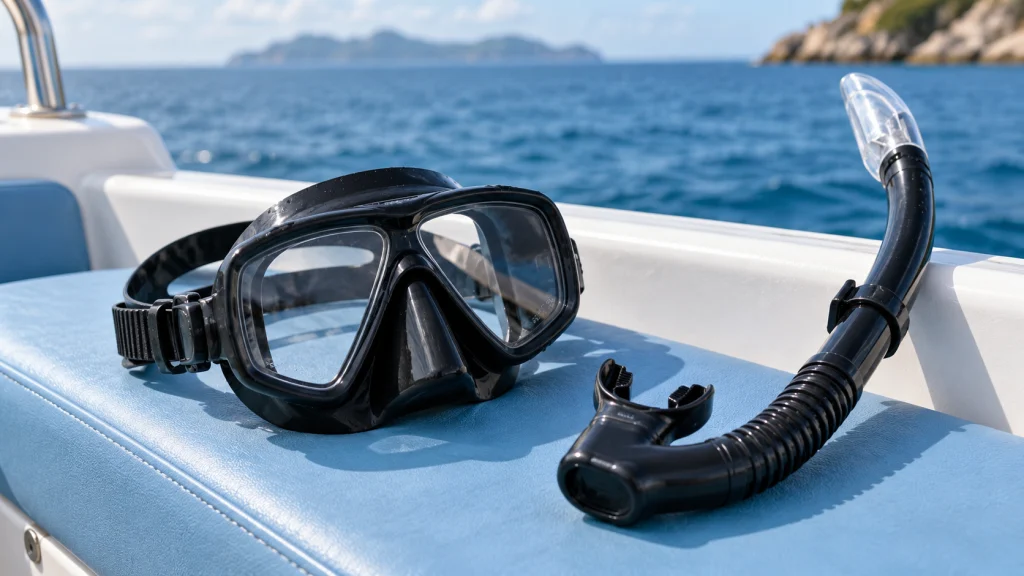
Compare snorkel mouthpieces, top mechanisms, purge valves, mask attachments, stowage and practical surface-use requirements.
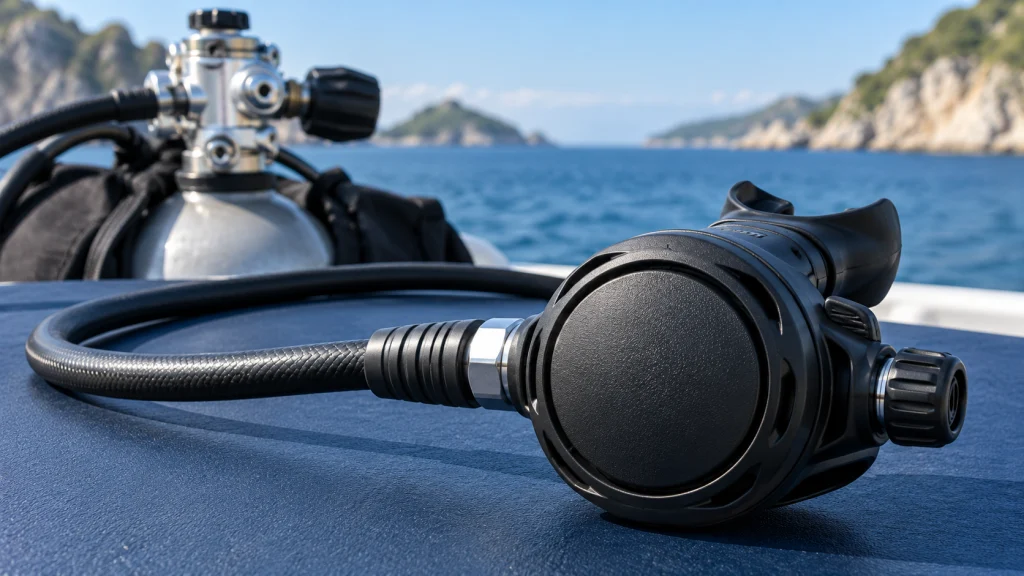
Understand regulator components, pressure reduction, hose roles, compatibility and the distinction between care and qualified servicing.
Understand DIN and yoke interfaces, pressure compatibility, approved adapters, valve differences and travel checks.